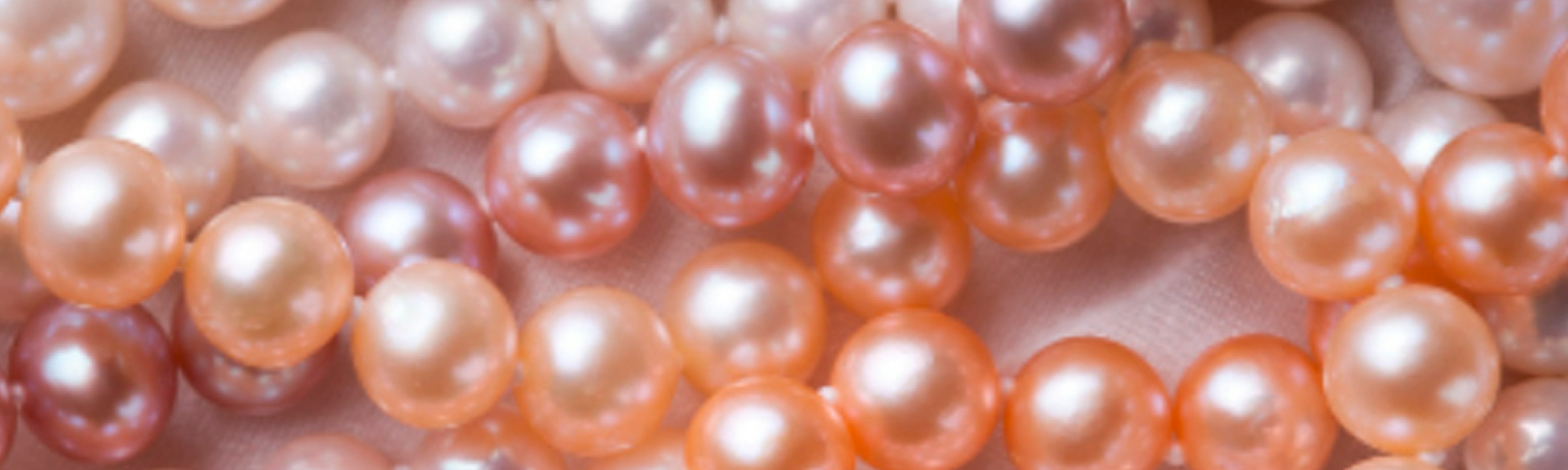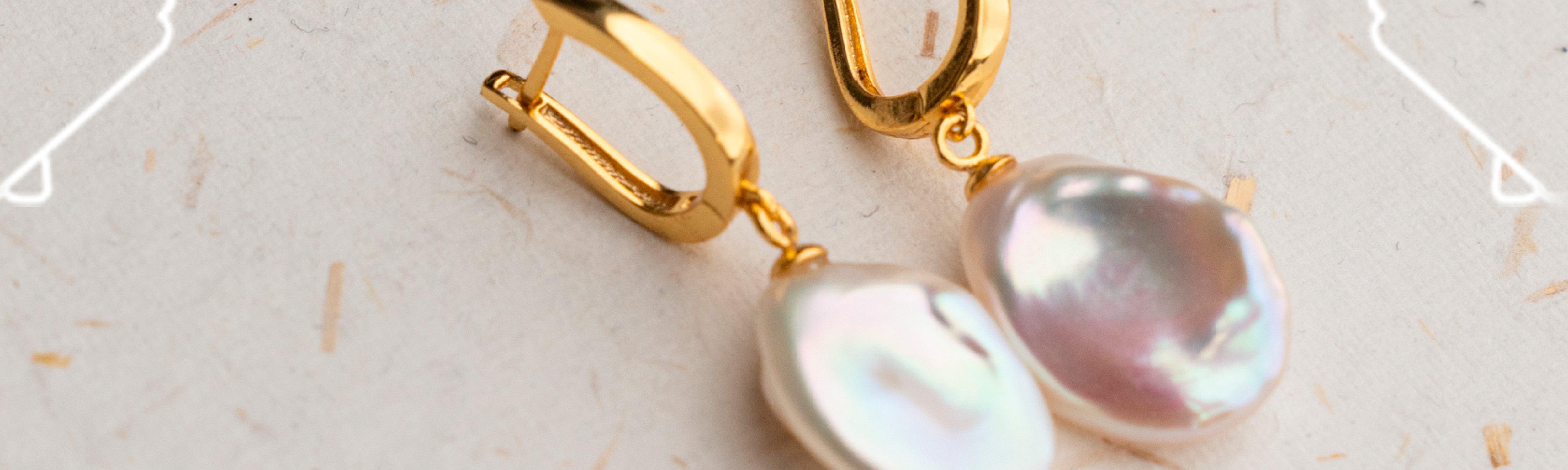
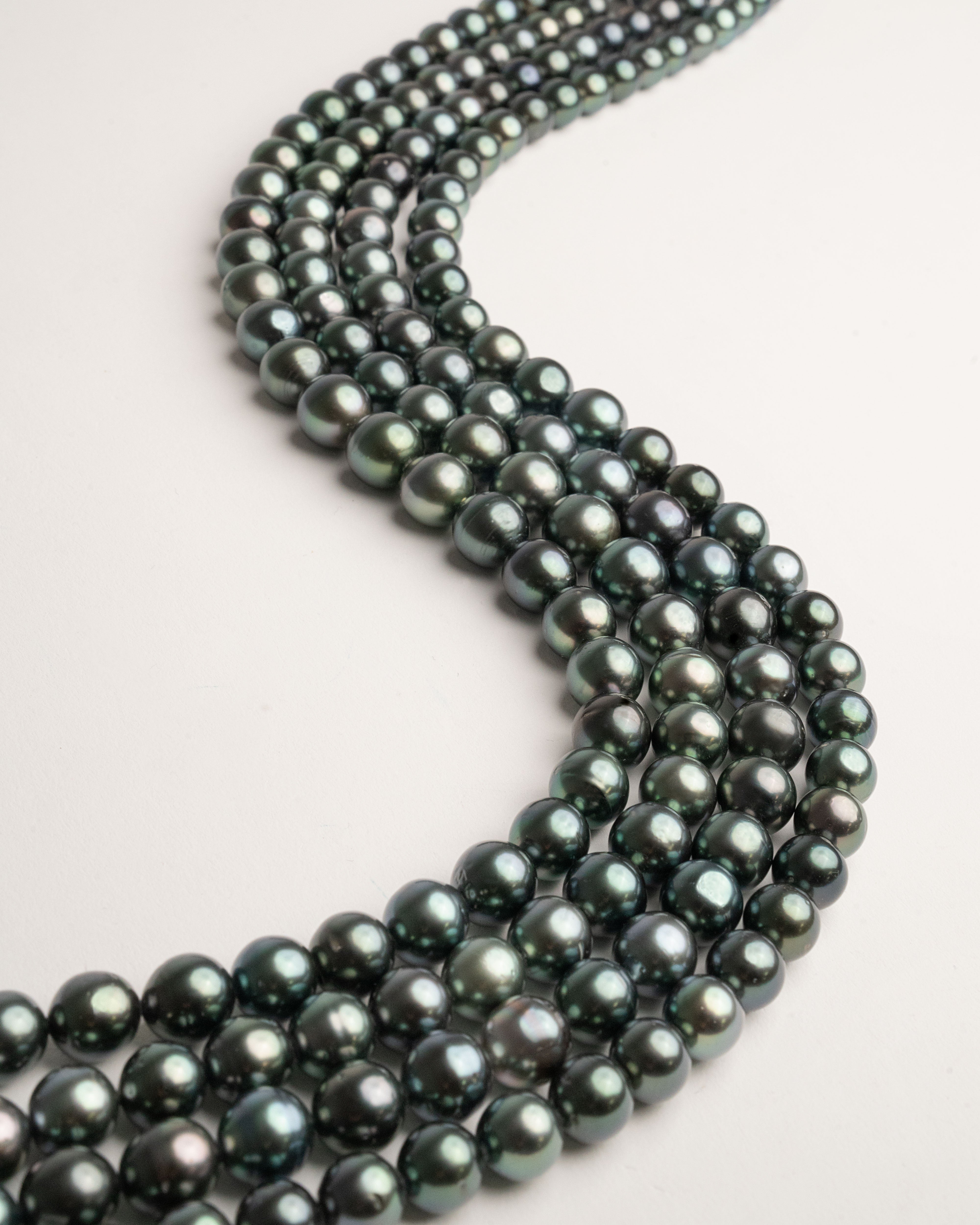
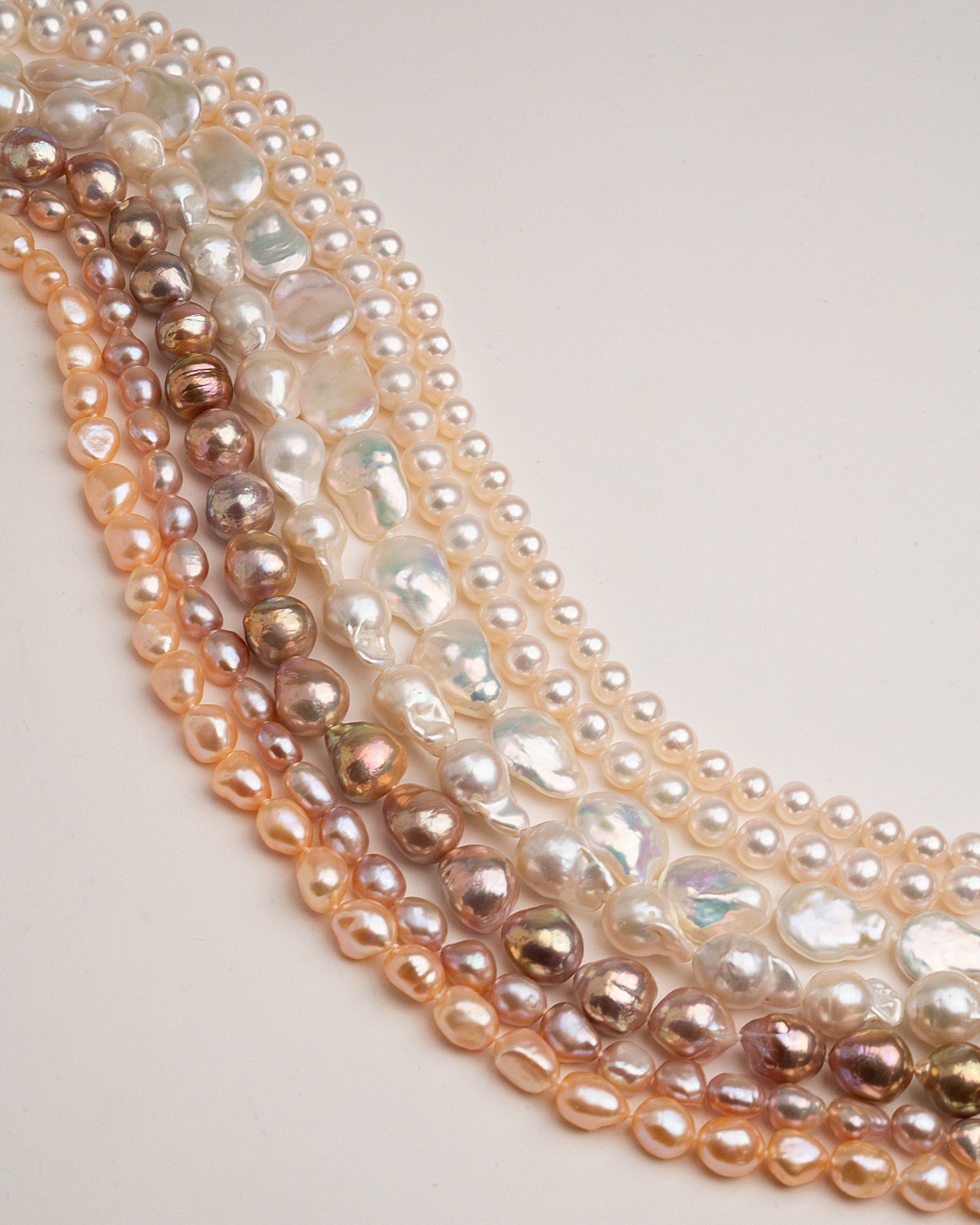
Edison pearls, the most avant-garde pearls.
EDISON PEARLS, THE REVOLUTION OF Freshwater PEARLS.
If you love pearls, you probably already know traditional Freshwater pearls, but you may not yet have heard of Edison pearls.
These are Freshwater pearls created using completely innovative farming processes that only recently reached the market; they were first offered to distributors at the Hong Kong International Jewellery Show in 2014.
These pearls are the latest in a long line of experiments with Freshwater pearls that aim to compete with the famous and expensive, South Sea pearls, or as we know them in Spain, Australian.

They are known as Edison pearls because one of the most famous producers decided to call them by that name, but it's just a brand name, in reality they are Freshwater pearls with a nucleus.
To better understand where these types of pearls come from we must know a little their history:
Traditionally, Freshwater pearls have been produced by inserting a piece of donor tissue into the outer mantle of mussels. This results in the Freshwater pearls we already know. With this method, a single mussel can produce up to 30 pearls, but only a small percentage are high-quality round pearls, and it is hard to find them in larger sizes.
For years, producers first in Japan and later in China experimented to try to produce large, perfectly round pearls by inserting a nucleus as is done to cultivate saltwater pearls, but with little success.

However, at the end of the 90s, Chinese researchers began importing Biwa mussels from Japan and mixing them with the triangular mussel from China. This way they managed to create a hybrid known by the English name "Leisure Mussel"
With this new mussel, they began inserting hard nuclei, not in the mantle but in the body of the mussel, just as is done with other saltwater ones, and the experiment worked.
These pearls drew a lot of attention for their large size and their almost round shape, intense colors and extraordinary luster.
What makes Edison Pearls so special?
-
Their size
Their size is considerably larger than other Freshwater pearls, as the average size of Edison pearls ranges from 11 to 16 mm, and in rare cases they can exceed 20 mm in diameter.
This is possible because only one nucleus is inserted at a time in the mussel and the pearl is allowed to grow for a longer time.


-
Their color
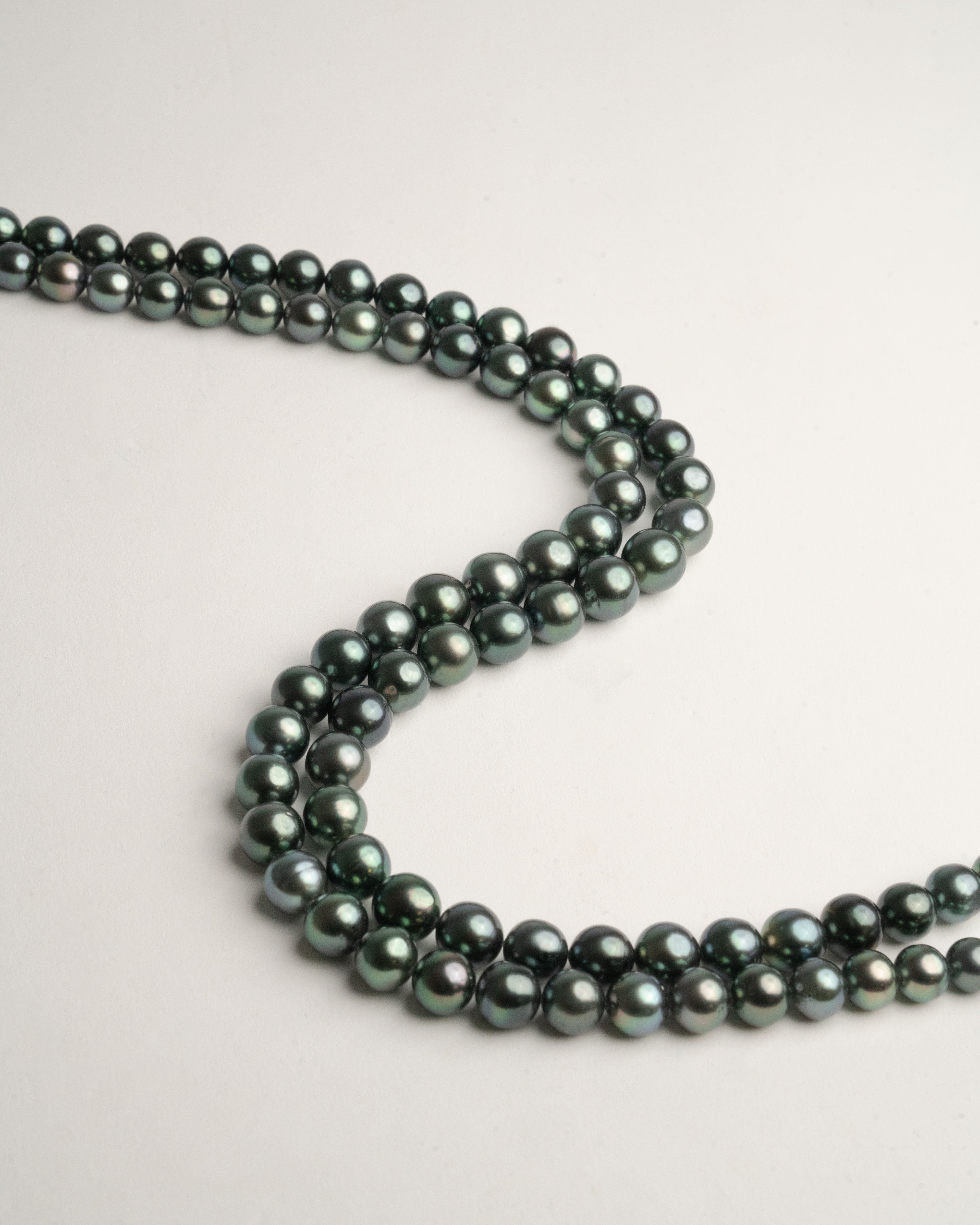
Edison pearls come in a wide variety of colors, including white, pink, metallic cream, lavender, gold and dark purple.

-
The thickness of the pearl's nacre
The thickness is similar to that of South Sea pearls, approximately between 2-3.5 mm in a medium-sized pearl.
-
Their price
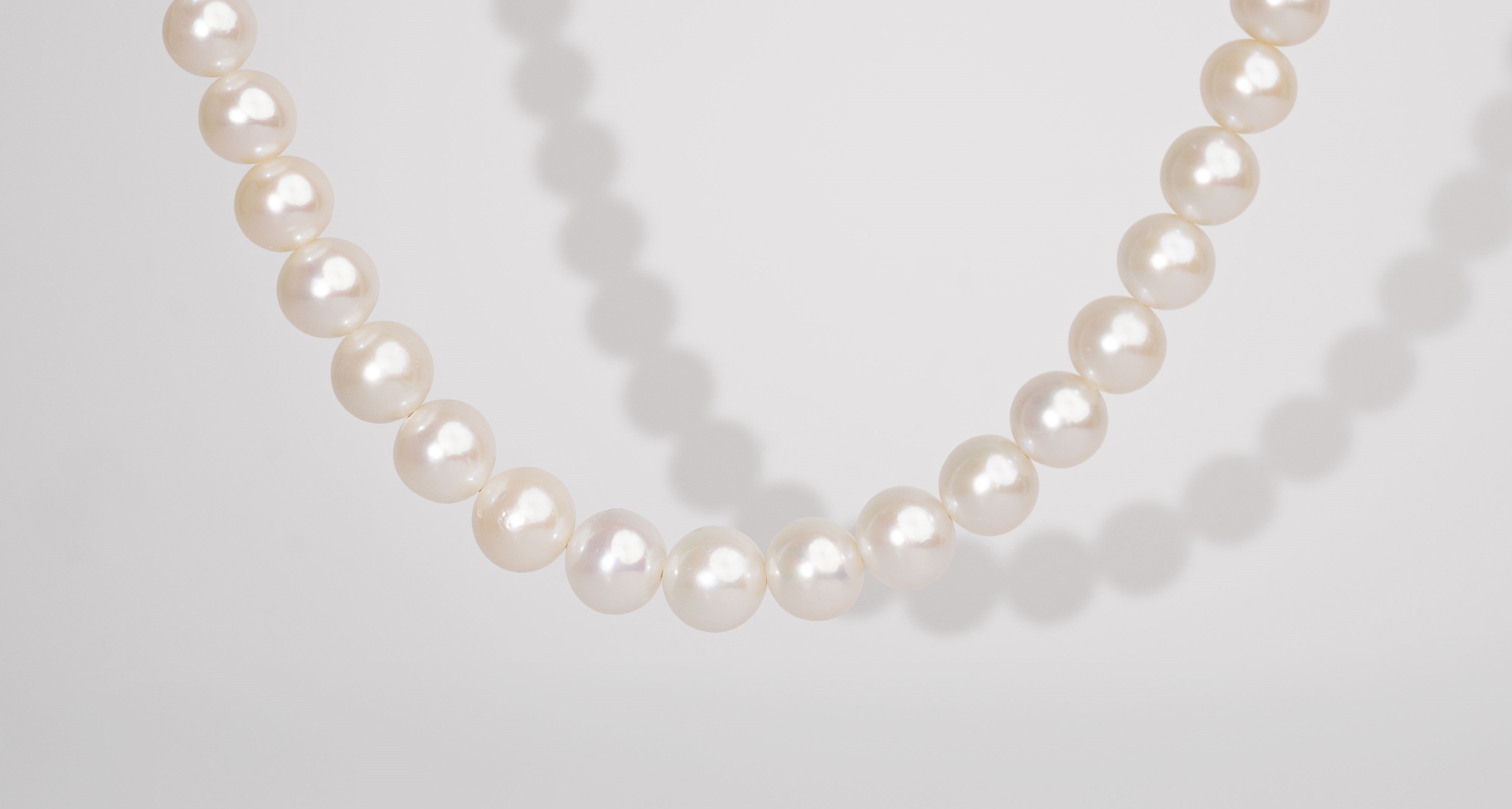
Edison pearls are much more affordable than most saltwater pearls with these characteristics, yet they are valued and marketed as high-end pearls for their look and quality. Among Freshwater pearls, they are often the ones that most frequently reach high price points. Even so, this is the first time pearls with qualities similar to South Sea pearls have been within everyone's reach. However, keep in mind that their price varies with quality: the rounder, shinier, and smoother, the higher the price.

See Lisa necklace with Edison pearls 10-14mm
-
Their shape
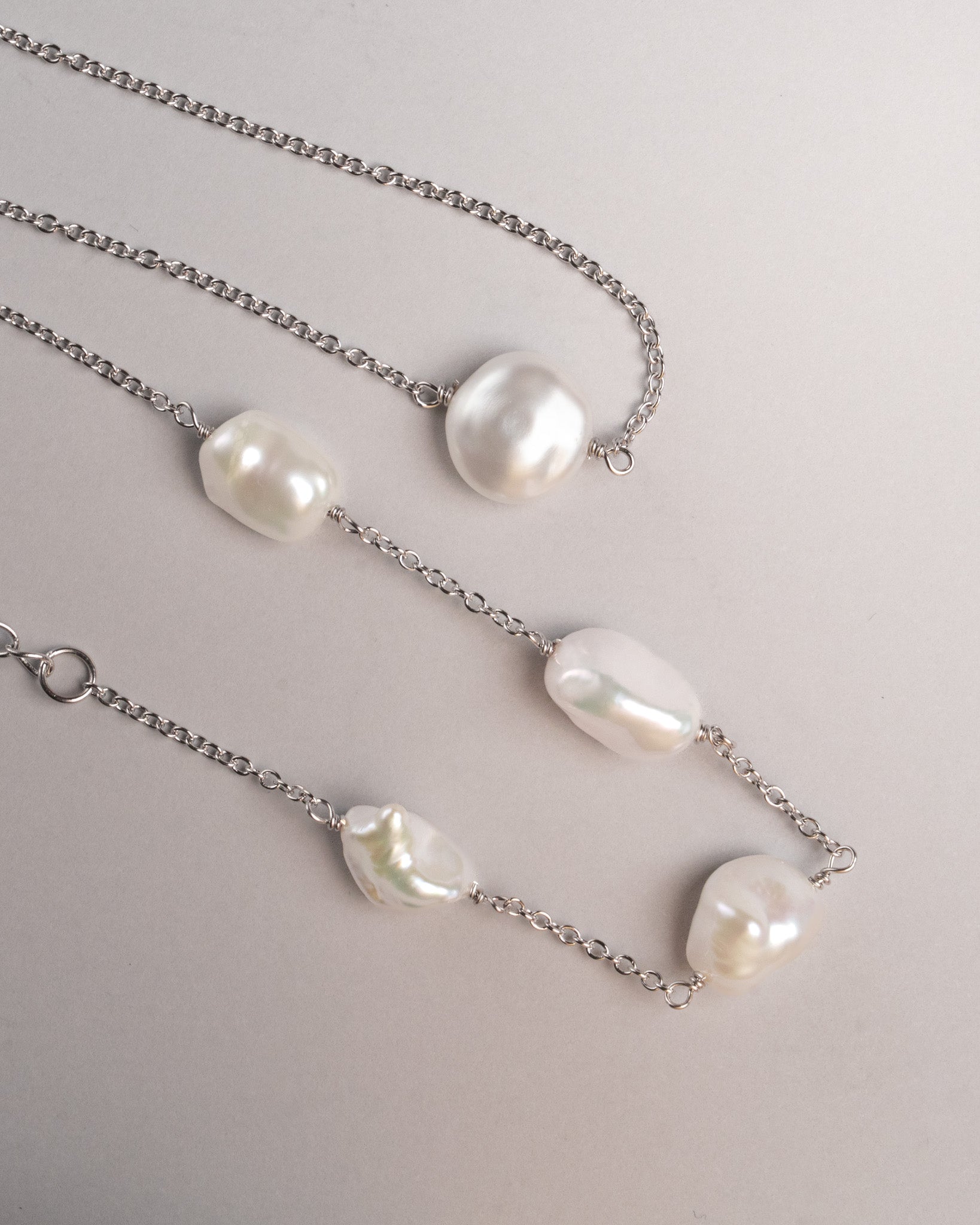
Although we have talked about their almost perfect round shapes, Edison pearls are also found in baroque forms, offering the possibility to create original designs and combine colors to create unique mixes.


See Alma necklace with Edison Multicolor pearls
Therefore, if you've always wanted earrings or a necklace with large, round pearls but the price was beyond your budget, Edison pearls could be an ideal option. These pearls have become the new standard for cultured Freshwater pearls thanks to their excellent value for money.