Lab-Grown Diamonds: Everything You Need to Know
LAB-GROWN DIAMONDS
Laboratory-grown diamonds.
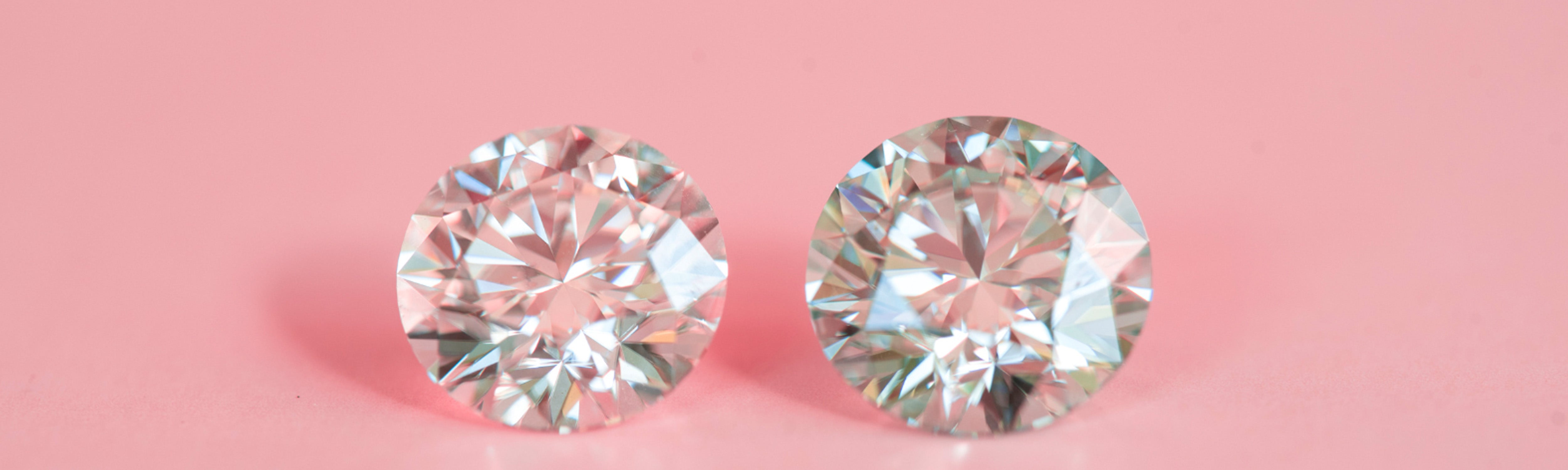
Lab-grown diamonds are diamonds created by scientists in laboratories. They share the same chemical and atomic composition as natural diamonds and are optically identical. The biggest difference between natural and lab-grown diamonds is how they were created.
Also known as cultured diamonds, these are becoming increasingly common in jewelry and this can raise a number of questions about their quality, characteristics, or value. For that reason, in this blog we will try to answer all the questions you may have.
ARE LABORATORY DIAMONDS REAL?
Laboratory diamonds have a chemical composition identical to that of natural diamonds; both are made of pure carbon in a cubic crystalline form.
The major difference between them is how they form. Natural diamonds form beneath the earth over millions of years, while cultured diamonds are created in a laboratory in a matter of weeks.
To understand it better, the difference between natural and lab-grown diamonds could be compared to the difference between ice that forms in nature and ice that is made in a freezer. The ice is chemically identical; what changes is the process of creation.
HOW ARE CULTIVATED DIAMONDS MADE?
Currently, lab-grown diamonds are produced using two methods:
- Chemical Vapor Deposition (CVD): in this case a diamond seed (a tiny diamond) is placed in a chamber called a plasma reactor. When the temperature rises to thousands of degrees, gas molecules break apart and atoms attach to the seeds, causing a layer to grow.
- High Pressure High Temperature (HPHT): this method mimics the conditions under which natural diamonds are created. This method is more costly and less energy efficient.
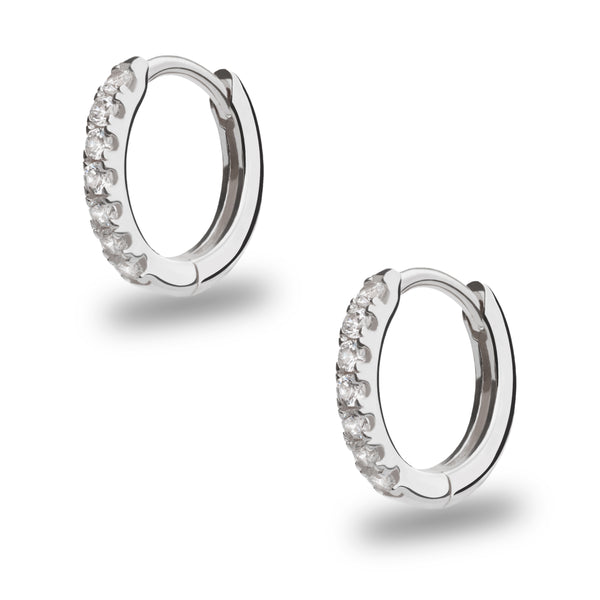
HOW LONG DOES IT TAKE TO CREATE DIAMONDS?
Natural diamonds take millions of years to form, while in the lab you can create a one-carat stone in a couple of weeks.
ARE LAB-GROWN DIAMONDS THE SAME AS DIAMOND IMITATIONS?
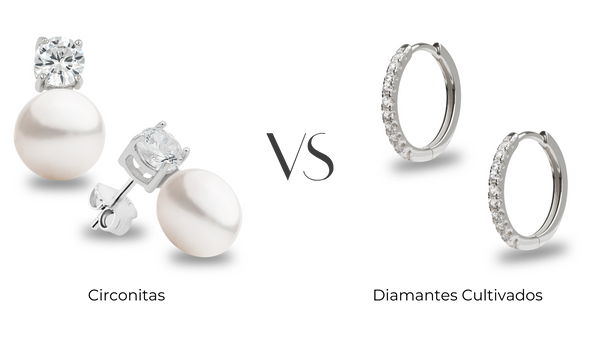
By diamond imitations we mean synthetic stones like cubic zirconia or moissanite, widely used in jewelry for their affordable price. These imitations are completely different from diamonds, as they do not share a diamond's chemical composition at all. In contrast, lab-grown diamonds are chemically identical to natural diamonds; only their formation is much faster thanks to science.
How can you tell a cultured diamond from an imitation?
Although at first glance they may look similar, diamond imitations are not as hard and do not have the same optical properties as cultured diamonds, so they will show signs of wear and will not be as brilliant.
HOW MUCH DO LAB-GROWN DIAMONDS COST?
Lab-grown diamonds are priced lower than natural diamonds, but since they have the same properties, chemical composition, and a complex, costly creation process, their price remains high.
The price of natural diamonds varies depending on size, cut, color and clarity, as these increase the rarity and value of the stones. With lab-grown diamonds, this rarity is removed, allowing for lower prices.
ARE CULTIVATED DIAMONDS MORE SUSTAINABLE?
To begin with, it should be noted that compared to many other industries, jewelry in general — and diamonds in particular — is a very sustainable industry, since these are high-priced products that encourage considered and responsible purchases and are 100% recyclable because they do not lose any properties.
That said, it is true that lab-grown diamonds can be more sustainable than natural ones on paper, since mining causes irreversible damage to the natural environment, but it is also true that there are very few diamond mines in the world and many are located in very remote, sparsely vegetated areas. In contrast, because lab-grown diamonds are created in laboratories, there is no extraction and therefore no harm to the environment, but we must also consider that there are more and less polluting production methods when manufacturing these diamonds, since they require a lot of energy and water.
Therefore, we can say that lab-grown diamonds are more sustainable than natural ones, but especially if they have been created using a sustainable method, for example by using hydroelectric energy to achieve the high temperatures needed to create a diamond.
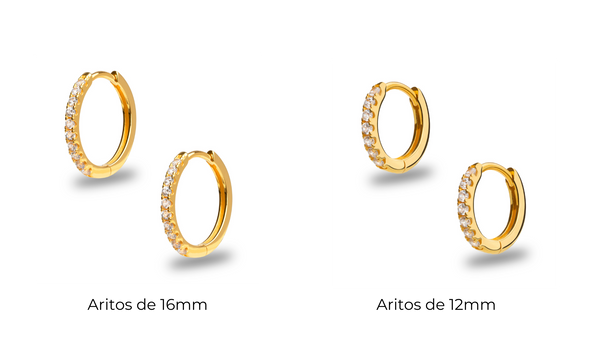
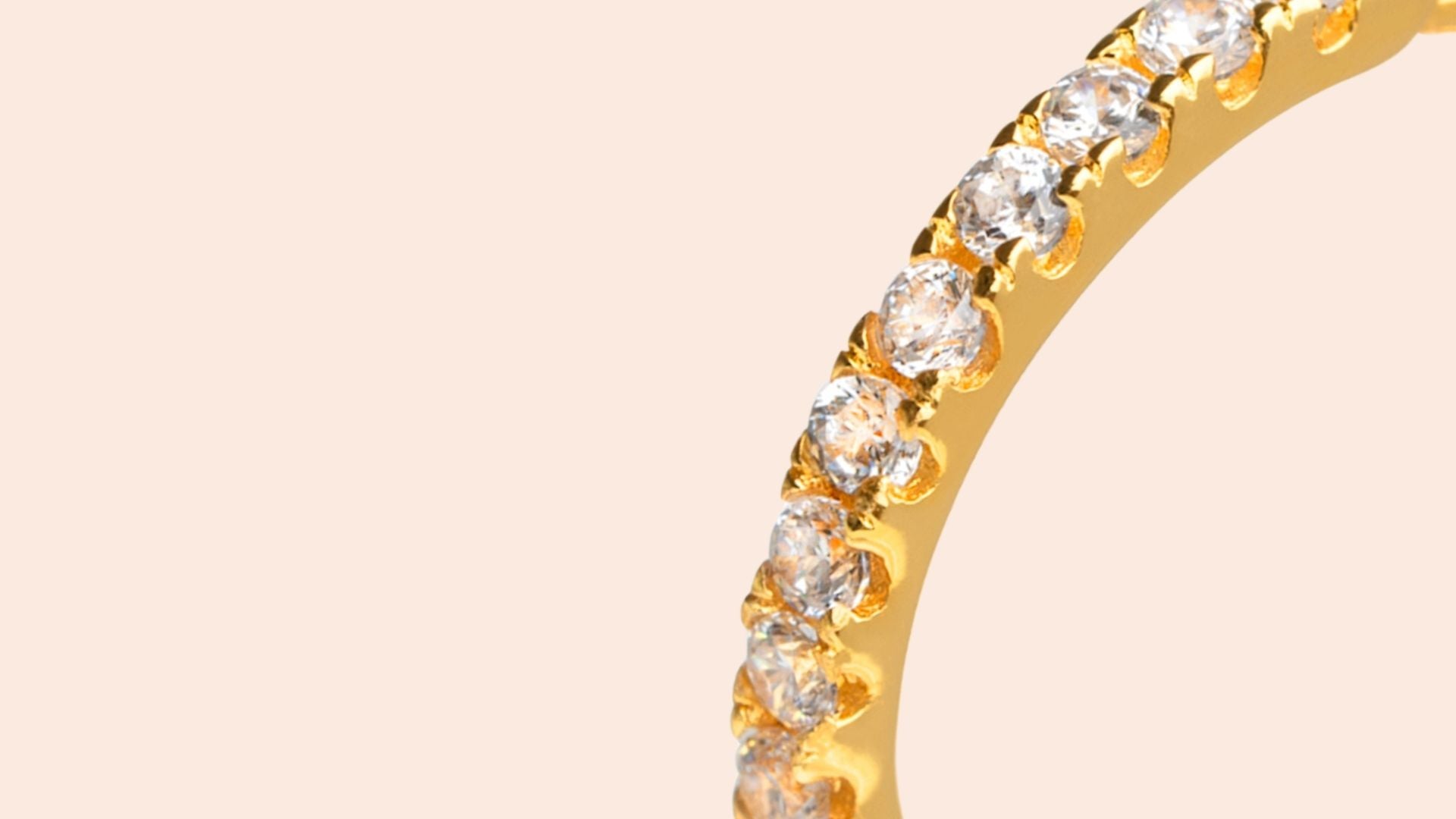
Discover the New Gold Hoops with Lab Diamonds
In SY Perlas we are characterized by being a brand specialized in cultured pearls. Pearls are the most sustainable gems that exist, since they are created by oysters and mussels on pearl farms rather than being extracted from the earth. Therefore, when creating designs with diamonds, depending on the type of pearl and its cost we will use both natural and lab diamonds to ensure that the piece has coherence in all its elements. Needless to say, we will indicate the type of diamond in any case.