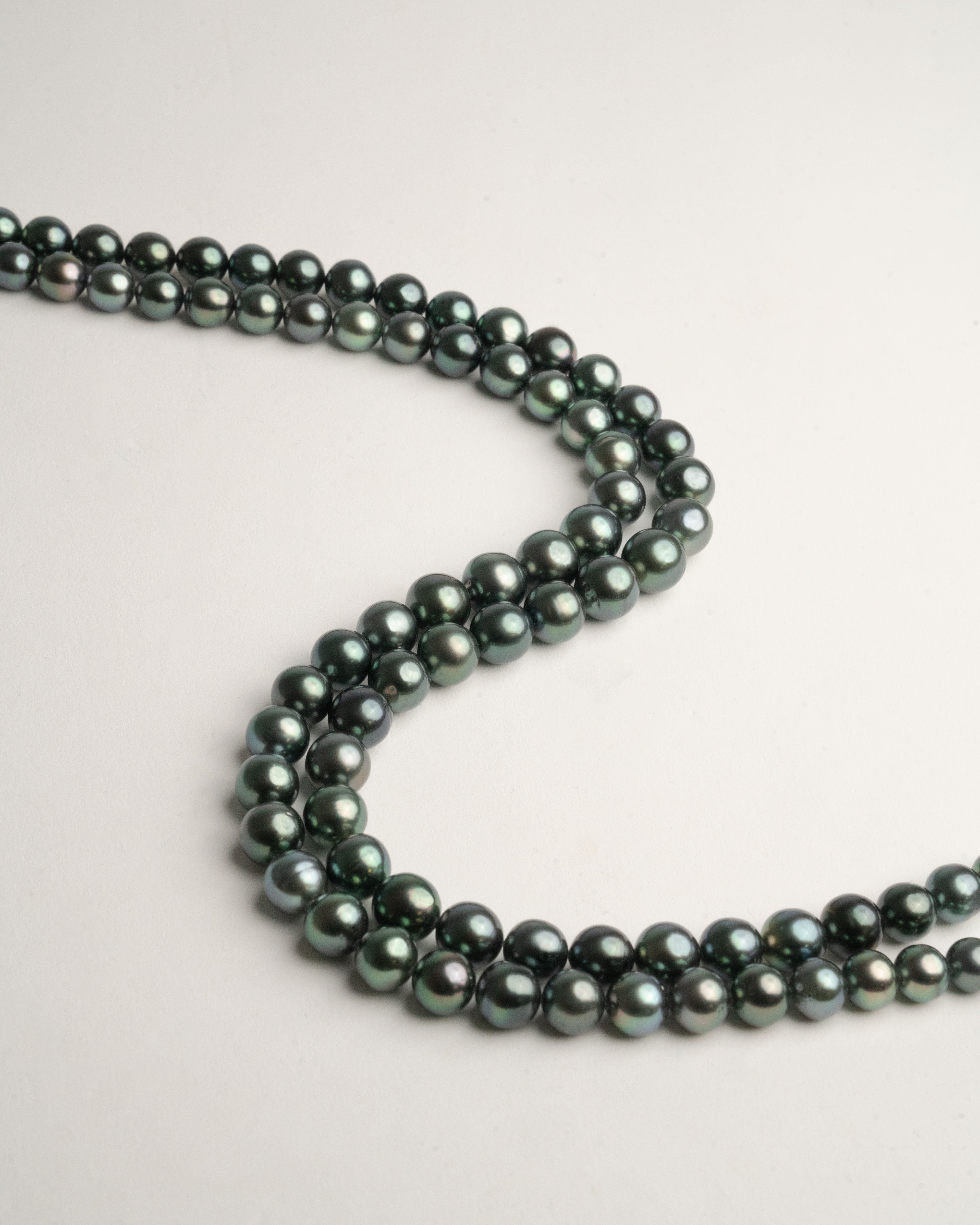
Article: How to Tell If a Pearl Is Real? 6 Tips to Know If It's Authentic
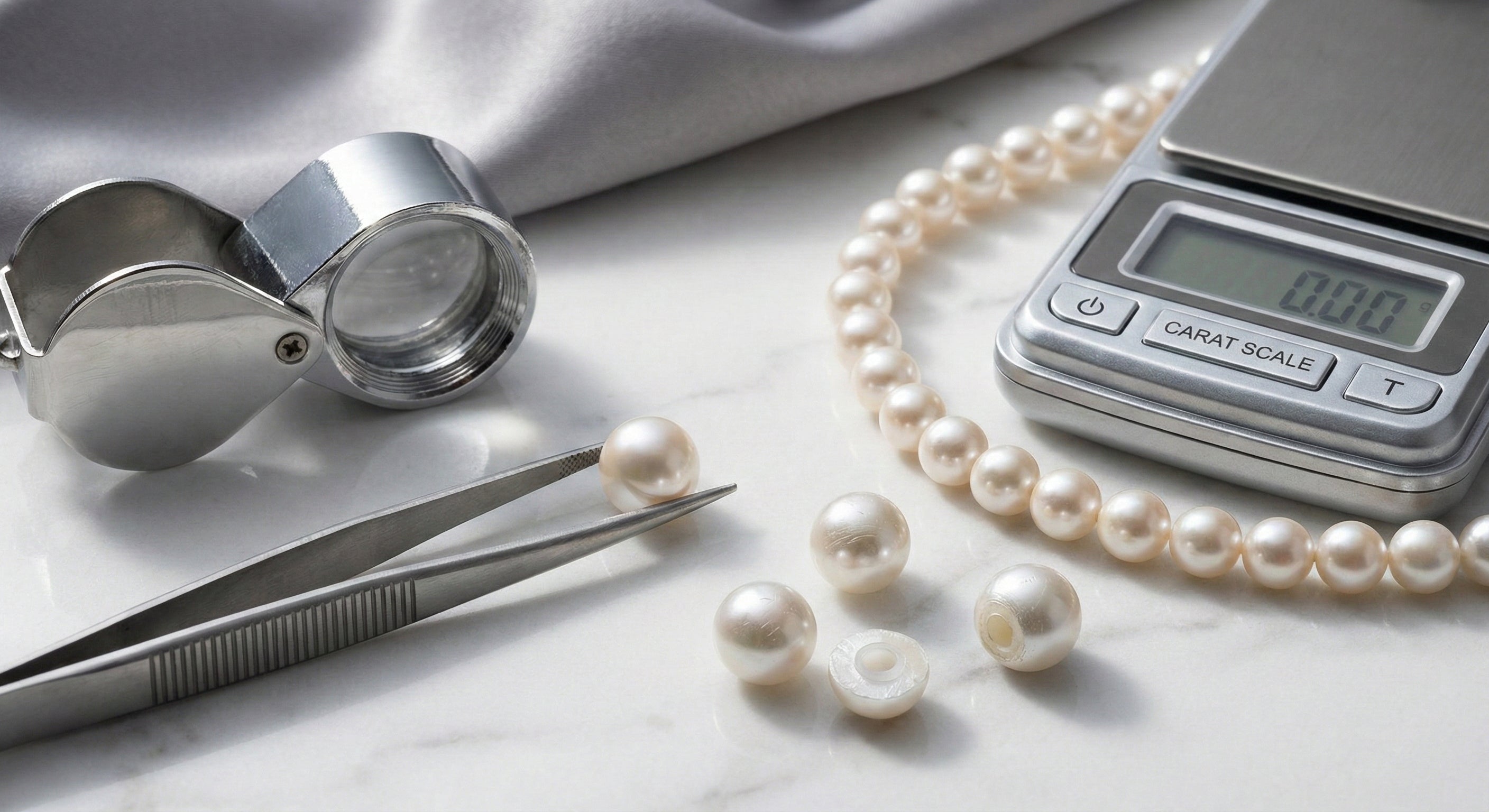
How to Tell If a Pearl Is Real? 6 Tips to Know If It's Authentic
Have you inherited a piece of jewelry or seen an "incredible deal" and feel suspicious?
You are not alone. One of the most frequent questions we receive at SY Perlas is: "How can I tell a real pearl from a fake?".
The market is flooded with increasingly sophisticated imitations (like shell pearls, glass pearls or the famous Mallorca Pearls) that can fool an inexperienced eye. But nature leaves a fingerprint that can’t be copied.
As pearl experts, today we’ll teach you the professional tests —that you can do yourself at home— to unmask an imitation in seconds.
Before we start: What is a "Real Pearl" today?
To avoid confusion, let’s clarify terms. When in modern jewelry we talk about "Real" or "Genuine Pearl", we mean Cultured Pearls.
-
Real (Cultured): Created by a living oyster or mussel in the sea or river. They are organic gems with real nacre. The ones we offer
-
Fake (Imitation): Created by a machine. They are beads of plastic, glass or pressed shell varnished with paint.
Note: If you’re looking for "Natural Pearls" (the wild ones from 100 years ago), you should know they are museum pieces that are almost nonexistent. We explain this in depth in our article: [Natural vs. Cultivated].
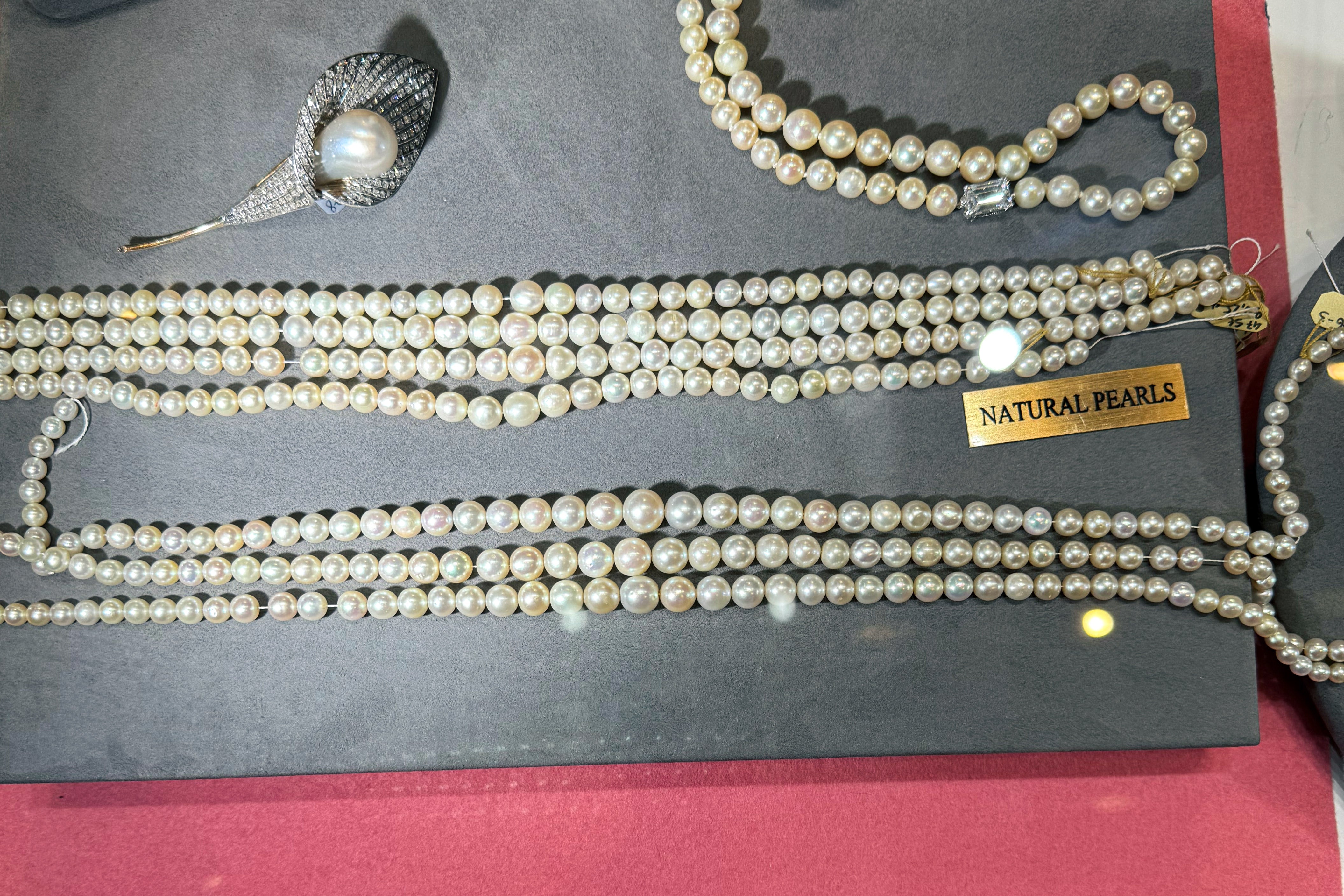
Strands of natural pearls displayed at the Hong Kong International Jewellery Show in 2024
The 6 Definitive Tests to identify a fake pearl
Follow these steps with your jewelry. If it fails any of these tests, you’re probably dealing with an imitation.
1. The Tooth Test (The most effective)
It’s the oldest trick in the trade, but it never fails. Hold the pearl and rub it very gently against the edge of your front teeth (the cutting surface).
- If it’s Real: You’ll notice a gritty, rough or abrasive texture. Like a very fine sandpaper. This is because nacre is made of microscopic overlapping crystal layers.
- If it’s Fake: You’ll notice it’s completely smooth and slippery. It feels just like biting a piece of plastic or polished glass.
2. The Rubbing Test (Rubbing two pearls together)
This is the best alternative if you’re in a store and don’t want to put the jewelry in your mouth. Take two pearls from the necklace and rub them gently against each other.
-
If it’s Real: You’ll feel resistance. They don’t slide easily; instead you feel a sandy friction, like rubbing two very smooth pumice stones together. You may even see a tiny white dust (it’s powdered nacre; don’t worry, a swipe with your finger restores the pearl’s luster).
-
If it’s Fake: The pearls slip over each other without any friction, as if they were oily or soapy. Plastic and glass are too smooth to generate grip.
3. The Temperature Test
Touch the pearls to the skin of your neck or your hand after they’ve been stored.
-
If it’s Real: They will feel cool at first contact, and take a few seconds to warm up from your body heat. It’s the same sensation as touching cold marble.
-
If it’s Fake: Plastic ones tend to be at room temperature from the first second. Glass ones can be cool, but they warm up very quickly.
4. The Weight Test
Hold the pearls in your hand and bounce them gently (weighing them in your palm).
-
If it’s Real: They have a substantial, satisfying weight.
-
If it’s Fake: Plastic ones are suspiciously light (toy-like). Glass ones can have weight, but often make a "hollow" sound when they knock together.
5. Perfection is suspicious (Visual Inspection)
Look closely at the pearls, preferably under bright light or with a loupe.
-
If it’s Real: Nature is rarely perfect. Even in Fine Jewelry, if you look closely you’ll find tiny differences in size, shape or growth marks on the surface. They are its identity fingerprint.
-
If it’s Fake: They are identical to each other. Mass-produced clones with no soul. If you see a necklace where every pearl is geometrically exact, with no distinguishing marks and the price is low... be wary. They now also include fake imperfections, which of course are all the same.
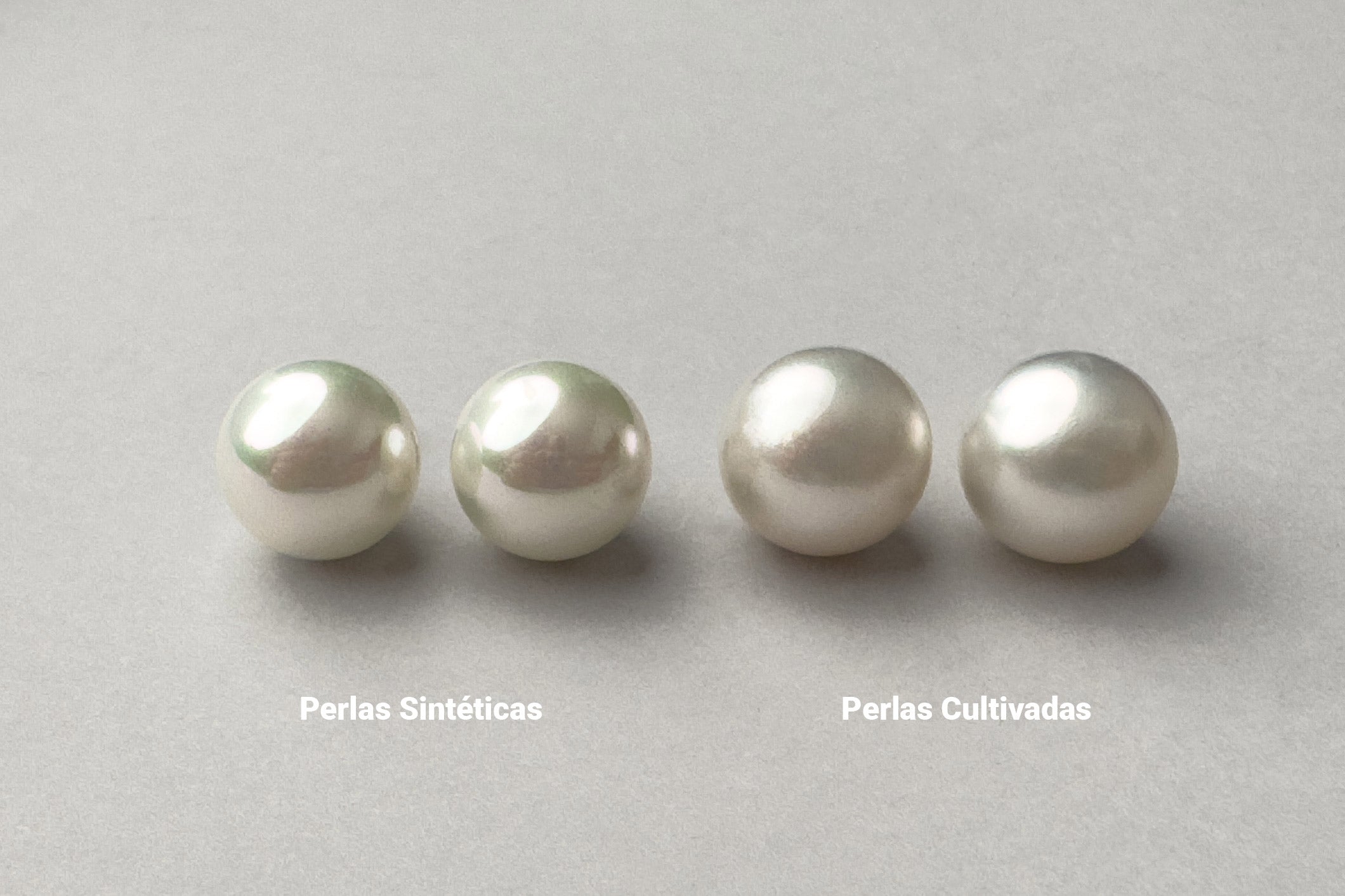
6. The Drill Hole Test
Check the hole where the thread passes through. It’s where fakes often "give themselves away".
-
If it’s Real: The edge of the hole is sharp and clean. You can see solid nacre.
-
If it’s Fake: You’ll often see the pearly paint or varnish chipping or bulging around the hole from drilling, revealing the white glass or plastic core underneath.
Conclusion: When in doubt, demand proof of origin
These tests are useful to verify jewelry you already have at home or family heirlooms. But when buying new jewelry, you shouldn’t have to play detective.
At SY Perlas, we remove the risk from the equation:
-
We import directly from the producing farms.
-
We certify the origin and quality of every pearl.
-
We offer an authenticity guarantee and gemological expertise (GIA) that no costume jewelry shop can match.
Don’t gamble with your money. Choose pearls verified by experts.
[View Guaranteed Authentic Pearl Collection]
-

Worker inserting a nucleus into an Akoya oyster.
Shop Cultured Pearl Earrings
Shop Cultured Pearl Necklaces
Shop Cultured Pearl Bracelets
Shop Cultured Pearl Pendants